Understanding Industrial Emergency Showers
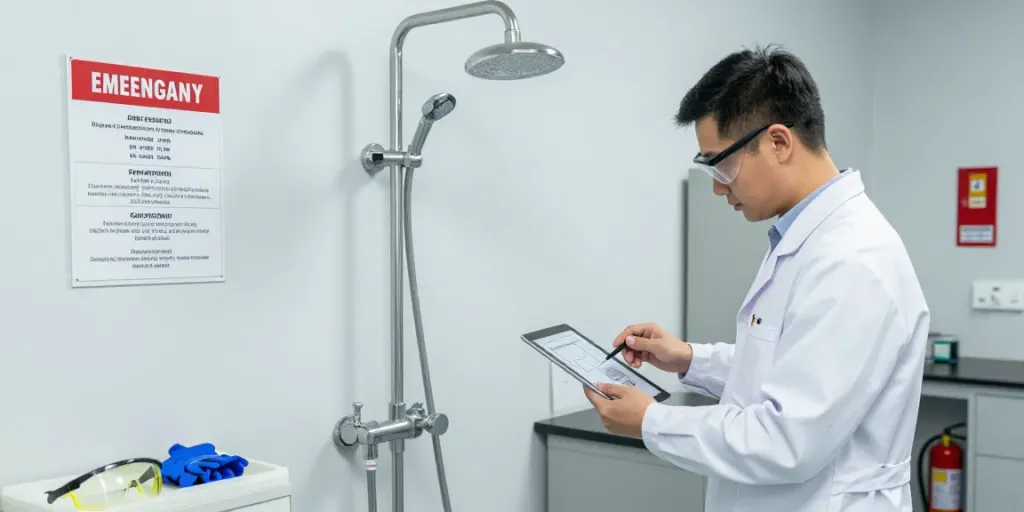
In industries where hazardous materials are present, the implementation of safety protocols is crucial for maintaining a safe work environment. One essential piece of safety equipment is the industrielle Notdusche, commonly known as an emergency shower. These systems are designed to provide immediate decontamination for individuals exposed to harmful substances, in compliance with industry regulations.
What is an industrielle Notdusche?
An industrielle Notdusche is a specialized shower designed for emergency situations where workers may be exposed to hazardous chemicals or materials. These showers are crucial in environments such as laboratories, chemical manufacturing plants, and any other industrial settings that handle potentially harmful substances. The primary function of an emergency shower is to facilitate rapid rinsing of contaminants from the body, minimizing the risk of injury and promoting safety.
Importance of Compliance Standards
Compliance with safety standards is paramount in industrial settings. Emergency showers must adhere to specific regulations, such as the EN 15154 and ANSI Z358.1 standards, which stipulate design, installation, and maintenance guidelines. Compliance ensures that emergency showers operate effectively when needed, significantly reducing the risk of complications during accidents. Regular audits and certifications can help organizations stay compliant and maintain a safe working environment.
Key Features and Functionalities
Industrial emergency showers come equipped with various features tailored to enhance their effectiveness and usability:
- Instant Activation: Emergency showers should be designed for immediate operation, allowing workers to quickly rinse off contaminants.
- Adjustable Flow Rate: The ability to control the water flow ensures that users can receive the appropriate amount of water for effective decontamination.
- Durable Materials: High-quality materials such as stainless steel are often used to ensure longevity and resistance to corrosive substances.
- Temperature Control: In extreme climates, temperature control mechanisms may be necessary to provide water at a safe temperature for decontamination.
- Clear Signage: Proper signage guides individuals to the showers effectively, aiding in quick access during emergencies.
Choosing the Right Industrial Emergency Shower
Selecting the appropriate industrial emergency shower can significantly impact workplace safety. Several factors should be considered to ensure compliance and functionality.
Factors to Consider for Safety Equipment
When assessing potential emergency showers, consider the following factors:
- Location: Determine the shower's location relative to potential hazards to ensure quick access in an emergency.
- Water Supply: Ensure the shower is connected to a reliable water source for continuous operation during emergencies.
- Accessibility: Emergency showers should be easily accessible to all employees, including those with disabilities.
- Environmental Conditions: Consider external factors such as temperature and humidity that may affect the shower's operation.
Assessing Your Environment and Needs
Each workplace has unique requirements based on the materials handled and the potential risks involved. Carrying out a thorough risk assessment can help identify specific needs and inform the selection of an appropriate emergency shower system.
Customization Options for Specific Applications
Many manufacturers offer customization options to tailor industrial emergency showers to specific applications. Custom features may include:
- Additional Safety Equipment: Adding eye wash stations or drench hoses to enhance decontamination capabilities.
- Specialized Materials: Using materials resistant to specific chemicals present in the workplace.
- Integration with Alarm Systems: Featuring acoustic alarms that activate when the shower is in use, alerting nearby personnel.
Installation Best Practices
Proper installation is essential for ensuring the effectiveness of industrial emergency showers. Companies must adhere to regulatory requirements to maintain compliance and advocate safety.
Regulatory Requirements for Installation
Installation of emergency showers must follow regulations set by recognized standards such as ANSI and EN guidelines. This includes proper placement within a specified distance from hazardous areas and ensuring that the exposure area is kept free of obstacles.
Common Installation Mistakes to Avoid
Avoiding common mistakes during installation can save time and resources:
- Incorrect Location: Failing to position the shower within the required distance from potential hazards can impede accessibility.
- Neglecting Water Supply Checks: Insufficient water pressure or supply can hinder the shower's effectiveness during emergencies.
- Overlooking Drainage Systems: Proper drainage is critical to prevent water accumulation around the shower area.
Maintenance Tips for Long-lasting Functionality
Regular maintenance is vital for ensuring that industrial emergency showers remain functional. Organizations should establish a routine maintenance schedule that includes:
- Regular Inspections: Checking for any leaks, corrosion, or other issues that may compromise the shower's effectiveness.
- Functionality Testing: Periodically testing the activation systems and ensuring the flow rate meets safety standards.
- Cleaning and Repair: Keeping the shower clean and promptly addressing any wear and tear helps maintain its functionality.
Emergency Shower Maintenance and Compliance
Proper maintenance not only ensures functionality but also compliance with safety regulations.
Creating a Maintenance Schedule
Implementing a comprehensive maintenance program is essential for emergency showers. A well-structured schedule may include:
- Monthly Tests: Functionality checks should be conducted monthly to ensure that showers provide adequate flow and pressure.
- Annual Certifications: Engage third-party services to verify compliance with industry standards annually.
- Record Keeping: Maintain records of inspections, maintenance, and repairs for reference during audits.
Ensuring Compliance with EN and ANSI Standards
Staying compliant requires regular reviews of applicable regulations and aligning operational procedures accordingly. Organizations should ensure that both the design and maintenance of emergency showers meet the latest guidelines from EN and ANSI.
Common Issues and Troubleshooting Tips
Addressing common issues can prevent downtime:
- Low Water Pressure: Check for clogs or obstructions in the water supply line.
- Activation Failures: Inspect activation mechanisms for wear and replace parts as needed.
- Temperature Issues: Monitor water temperature and integrate heating or cooling mechanisms if necessary.
Future Trends in Safety Equipment
The landscape of safety equipment is evolving, and staying informed about future trends can help organizations prepare for changes in compliance and technology.
Emerging Technology in Industrial Showers
New technologies are being integrated into industrial emergency showers, enhancing their safety and functionality. Innovations such as automated testing systems can ensure that equipment remains compliant with minimal manual intervention.
Innovative Features for Enhanced Safety
Features like IoT-enabled monitoring systems can alert safety personnel to any issues with emergency showers, improving response times and safety oversight.
Predictions for the Industry in 2026 and Beyond
As safety regulations continue to evolve, the demand for high-quality, compliant emergency showers is expected to grow. Organizations that prioritize safety will likely invest in advanced systems that promote efficiency and compliance.
What are the key benefits of using an industrial emergency shower?
The primary benefits of employing an industrial emergency shower include immediate access to decontamination, improved workplace safety, and compliance with health and safety regulations.
How often should meine Notdusche be inspected?
Emergency showers should be inspected at least monthly, with complete functionality tests conducted annually to ensure compliance and reliability.
Can I customize my industrial emergency shower?
Yes, many manufacturers offer customization options to tailor emergency showers to meet the specific needs of various industries and applications.
What regulations should I be aware of for safety equipment?
Key regulations include the EN 15154 and ANSI Z358.1 standards, which outline the design, installation, and maintenance requirements for emergency showers.
Where can I find replacement parts for my emergency shower?
Replacement parts can typically be sourced from manufacturers or specialized suppliers that cater to industrial safety equipment needs.